


Key Takeaways
- Focus on balanced nutrition, gentle physical activity, and consistent health checks to support daily well-being.
- Learn how to navigate common challenges like changes in vision, mobility, and medication schedules with patience and simple tools.
- Understand how supportive senior living environments, including assisted living and memory care, can provide tailored support.
- Use practical, daily tips like creating simple routines and preparing meals together to make diabetes management a collaborative effort.
Support a Loved One with Diabetes
When you’re helping a loved one manage diabetes, your goal is to provide thoughtful support without making life feel restrictive. You want to be a helpful partner on their health journey, but it can be challenging to know where to start or how to best contribute to their daily well-being. Your steady presence can make a meaningful difference at Inspired Living at Alpharetta.
The key to caring for a senior with diabetes is a combination of consistent routines, emotional support, and understanding how their needs may change over time. By focusing on a few core areas, you can contribute to their overall health and wellness while they continue to enjoy a full and active life.
Key Parts of Diabetes Management for a Senior
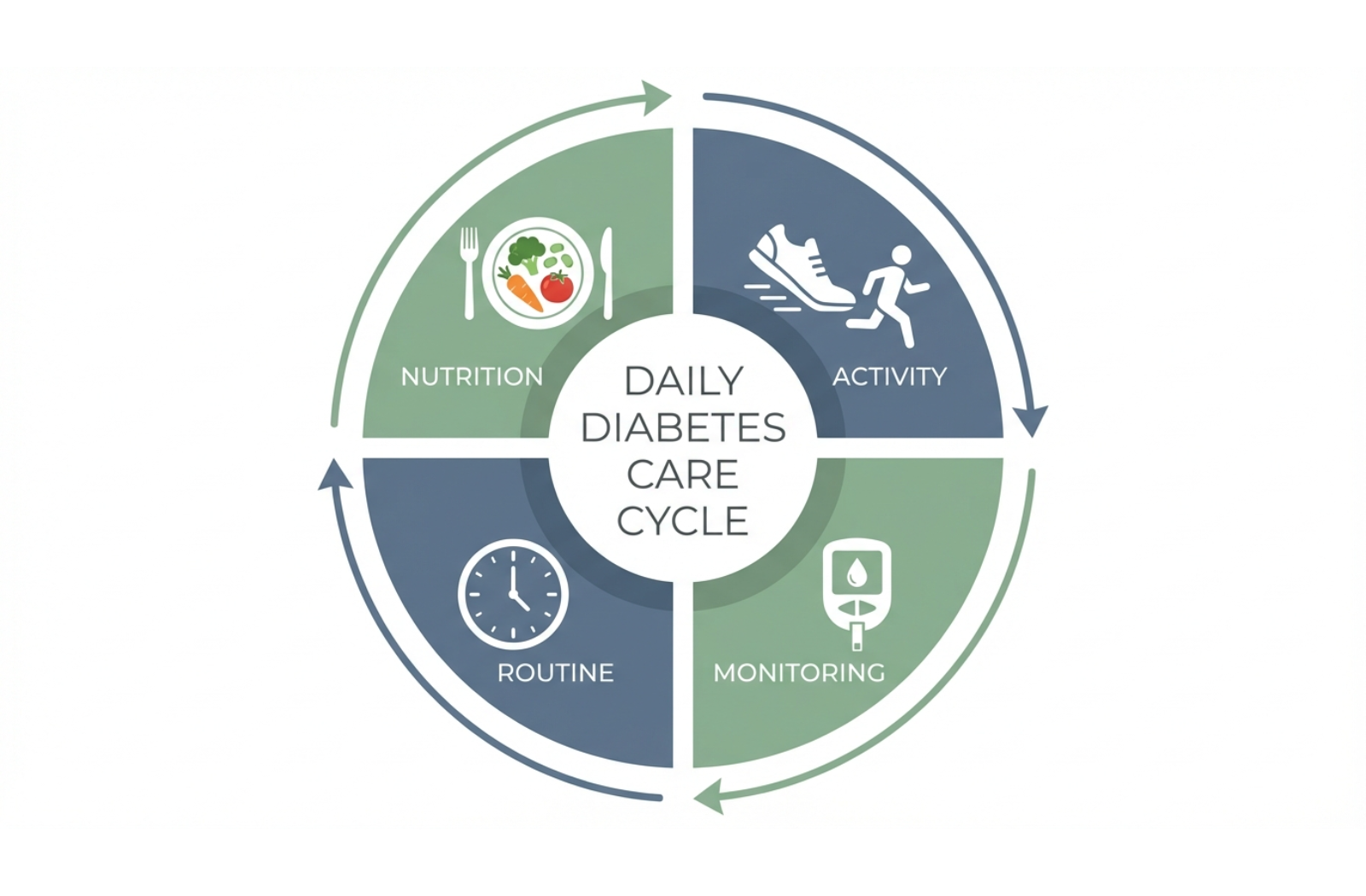
When you support a senior with diabetes, a consistent and gentle approach makes a significant difference. The focus is on balance, routine, and collaborative efforts that feel positive and encouraging rather than on strict rules.
A Focus on Balanced Nutrition
A diet that helps manage blood sugar often includes a mix of whole grains, lean proteins, and plenty of vegetables. You can help your loved one by preparing simple, wholesome meals or assisting with grocery shopping. Making it a team effort can turn meal planning into an enjoyable activity rather than a chore.
Learning about food choices together can also be empowering. It’s not about cutting out favorites but finding a healthy balance. Small adjustments, like choosing brown rice over white rice, contribute to wellness, something flexible dining options can help with.
The Role of Gentle Physical Activity
Regular movement offers many benefits for anyone managing diabetes. This doesn’t have to be strenuous exercise. Many indoor physical activities like chair yoga or swimming are wonderful options that support overall health without putting too much strain on the body.
The goal is to find an activity the person genuinely enjoys. When movement is fun, it’s easier to make it a regular part of the day and a great way to spend time together while promoting health with low-impact exercises.
Consistent Health Checks
Part of a daily routine involves regular monitoring of blood sugar levels and foot health. Your role can be to offer gentle reminders or to help record the information for their next doctor’s visit. This helps create a clear picture of their health over time.
Foot care is another important area. You can help by encouraging daily foot checks for any changes. A supportive, low-pressure approach makes it easier to stay on top of these important self-care practices.
Navigate Common Challenges Together
Caring for a senior with diabetes comes with unique situations. Your understanding and patience can help you and your loved one navigate these changes together. A supportive approach helps address challenges calmly and effectively as they arise, fostering a sense of teamwork.
Changes in Vision and Mobility
Diabetes can sometimes affect vision and foot sensitivity. You can offer practical help by keeping living spaces clear of clutter to reduce the risk of falls. This simple step promotes safety and independence at home.
Encouraging regular check-ups with a podiatrist and an eye doctor is another way to provide support. Staying proactive with these appointments can help address any changes early on.
Cognitive Changes and Medication Schedules
A person experiencing memory changes may find it difficult to stick to a medication schedule. This is a common challenge, and simple tools can provide helpful structure. Pill organizers, daily checklists, or even alarms on a phone can make a big difference.
Patience is very helpful here. Instead of just reminding, you can make it a shared part of the daily routine, like organizing pills together after breakfast. This turns a task into a moment of connection.
How to Support Emotional Well-being
Living with a chronic condition can be emotionally taxing. Your loved one might have days where they feel frustrated or tired. You can offer powerful support by simply listening and validating their feelings.
Sharing in enjoyable activities that have nothing to do with health management can also lift their spirits. Celebrating small successes, like a week of consistent walks or a great blood sugar reading, reinforces positive habits and boosts morale.
How Supportive Care Environments Help
Sometimes, a loved one may benefit from more support than you can provide at home. This is where senior living can offer tailored care that adapts to their changing needs. These communities handle the daily details of health management, allowing residents to focus on living well.
For example, an assisted living community provides help with medication reminders and meal preparation, supporting an active and social lifestyle. If a person also has dementia, memory care offers a higher level of support from a team trained to address both cognitive and physical health needs.
If you are a primary caregiver, respite care also provides a valuable short-term solution. It offers your loved one professional care so you can take time to rest, and it can be a good way to see if a community is the right fit.
A Path Forward with Teamwork and Support
Caring for a senior with diabetes is a journey you take together. By focusing on a positive, team-based approach, you can help your loved one lead a full and engaged life. Whether at home or in a community designed for senior living, consistent support is the foundation for well-being.
At Inspired Living at Alpharetta, our team is committed to enriching residents’ minds, bodies, and spirits with personalized care. That’s why we offer assisted living and memory care lifestyles designed to elevate the daily lives of residents.
Want to learn more about this supportive approach? Review our frequently asked questions and schedule a tour to visit us in person.