

Key Takeaways
- Most older adults begin adjusting to senior living within three weeks to three months, though every experience is different.
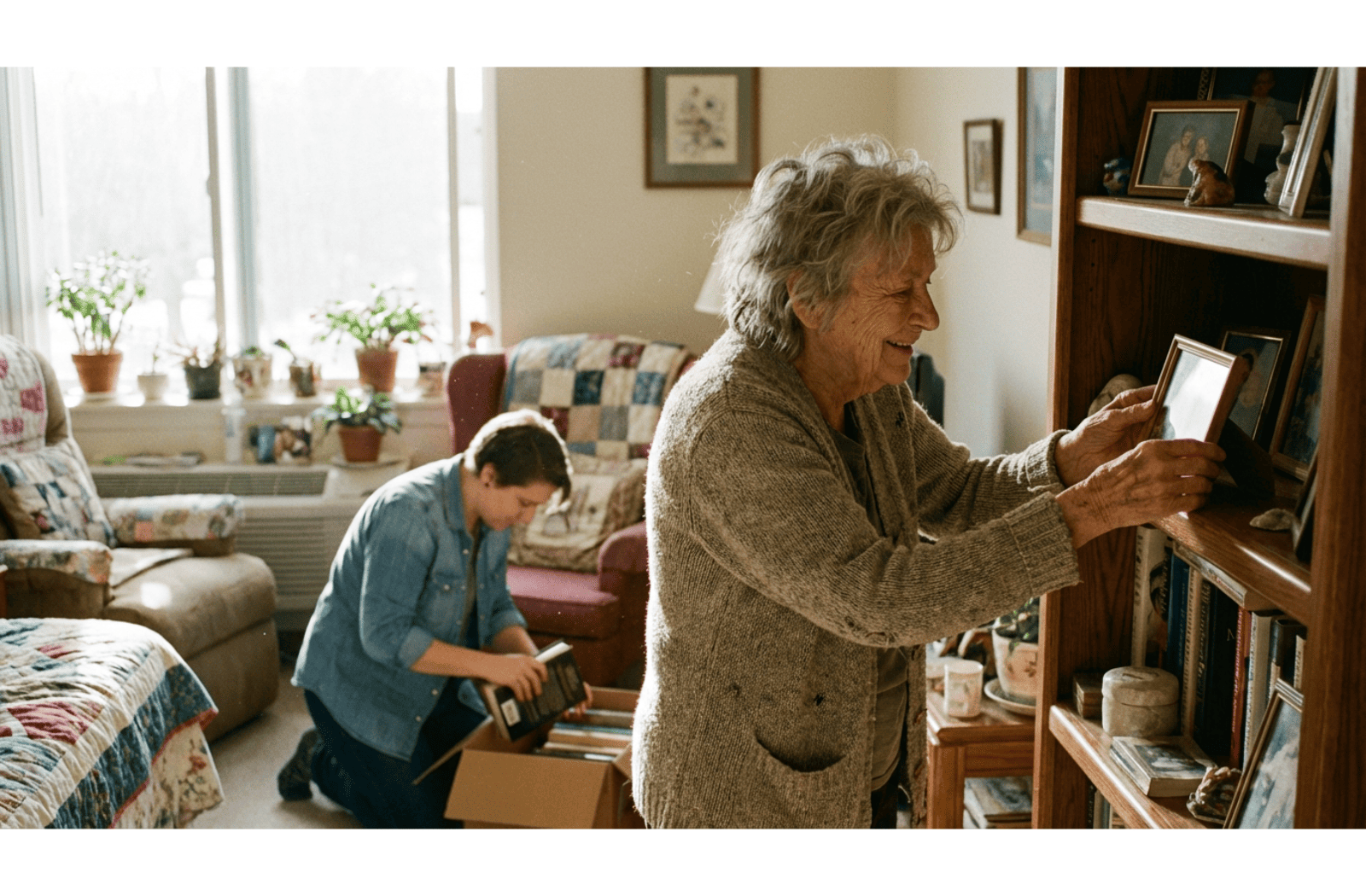
- The first few days are often spent unpacking, meeting team members, and becoming familiar with the community.
- During the first few weeks, residents typically begin establishing routines, participating in activities, and forming new relationships.
- Factors such as personal outlook, health, mobility, and social preferences can influence the adjustment timeline.
- Family involvement through visits, calls, and encouragement can help residents feel more comfortable during the transition.
- Personalizing a loved one’s living space and supporting community engagement can help create a stronger sense of belonging.
Understand the Adjustment Period for Senior Living
Helping a loved one move to a senior living community often comes with questions about what the transition will look like. While the decision may bring relief and peace of mind, it’s also natural to wonder how long it will take for them to feel comfortable in their new surroundings. Understanding the adjustment process can help families approach this change with realistic expectations and greater confidence.
Every person’s experience is different, but many older adults begin feeling more settled within a few weeks and continue building comfort and familiarity over the following months. Factors such as personality, health, family involvement, and community support can all influence the timeline. By understanding what to expect, families can play an active role in helping their loved ones feel at home.
Understand the Adjustment Period for Senior Living
Adjusting to senior living is about more than moving into a new apartment. It involves establishing new routines, meeting new people, and becoming familiar with a different daily rhythm. For some older adults, these changes feel exciting. For others, they may take time to process.
Most residents begin adapting within three weeks to three months, although every situation is unique. A welcoming community, meaningful social opportunities, and ongoing family support can all contribute to a smoother transition.
What to Expect When Helping Someone Transition to Senior Living
The adjustment process often happens gradually. Knowing what your loved one may experience during each stage can make it easier to provide support and encouragement.
The First Few Days
The first few days are often focused on settling in and becoming familiar with the community. Your loved one may spend time unpacking, meeting team members, and learning where common areas are located. It’s common to experience a mix of emotions during this period, including excitement, uncertainty, relief, and curiosity.
The First Few Weeks
As the initial transition begins to feel more familiar, many residents start exploring activities, dining options, and social opportunities. Familiar faces become easier to recognize, and new routines begin to take shape. This period often marks the beginning of new friendships and greater confidence within the community.
The First Few Months
By the three-month mark, many residents feel significantly more comfortable in their surroundings. Daily routines become more natural, social connections strengthen, and the community starts to feel like home. While adjustment continues beyond this point for some people, many begin experiencing a stronger sense of belonging during this stage.

What Affects the Adjustment Experience
No two people adjust to senior living in exactly the same way. Several factors can influence how quickly a loved one feels comfortable in their new environment.
Personal Outlook
A person’s attitude toward the move can have a meaningful impact on the adjustment process. Those who approach the transition with curiosity and openness may feel comfortable more quickly. Even so, it’s important to remember that hesitation and mixed emotions are completely normal.
Health and Mobility
Physical health can affect how easily someone participates in activities and social opportunities. Communities that provide personalized support can help residents remain active and engaged while receiving assistance tailored to their needs.
Social Preferences
Some people naturally seek out social opportunities and enjoy meeting new neighbors. Others prefer smaller groups or quieter activities. A supportive senior living community offers a variety of ways for residents to connect at a pace that feels comfortable.
Tips for Helping Someone Settle Into Senior Living
Family involvement can play an important role during the first few weeks and months after a move. Consistent support helps reinforce feelings of comfort, familiarity, and connection.
Here are several simple ways to help a loved one feel more comfortable in their new community:
- Visit regularly during the first few weeks.
- Schedule phone or video calls between visits.
- Help personalize their apartment with familiar photos, decorations, and keepsakes.
- Attend community events or share a meal together when possible.
- Encourage participation in activities without applying pressure.
- Remain patient and allow the adjustment process to unfold naturally.
Small acts of encouragement can help a loved one gain confidence and become more comfortable in their new environment over time.
Find a New Sense of Comfort and Wellbeing
Adjusting to senior living is a personal journey, and every resident moves through that process at their own pace. While some people settle in quickly and others need more time, comfort and familiarity often grow through daily routines, meaningful relationships, and ongoing support.
At Inspired Living at Alpharetta, we understand that every transition is unique. Our team is committed to creating a welcoming environment where residents feel supported, engaged, and valued throughout every stage of the adjustment process. Schedule a tour at Inspired Living at Alpharetta today to learn more about how we support a comfortable transition to senior living.